

|
ATTENTION: Effective Sept 1, 2020, the BBTI Project is in "Archive Status." No further tests will be conducted, but we will maintain this site and data for the use of the firearms community. Thank you. |
Actual Process
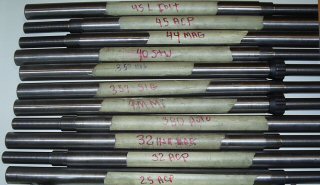 First, everything is set up: tent, tables, chronographs, chop saw,
generator, et cetera. We shoot on private land out in the country, where there
is no shelter or power. We use as a backstop an old cabin made from railroad
ties. Once everything is set up, and the ammo to be tested laid out, a series of
three test shots is made using a 6" Python .357, shooting .38 special ball ammo from one
batch. This gives us a benchmark which would indicate data drift due to atmospheric
change or a problem with one or both chronographs. Time and temperature are noted,
and we would begin.
First, everything is set up: tent, tables, chronographs, chop saw,
generator, et cetera. We shoot on private land out in the country, where there
is no shelter or power. We use as a backstop an old cabin made from railroad
ties. Once everything is set up, and the ammo to be tested laid out, a series of
three test shots is made using a 6" Python .357, shooting .38 special ball ammo from one
batch. This gives us a benchmark which would indicate data drift due to atmospheric
change or a problem with one or both chronographs. Time and temperature are noted,
and we would begin.
Three shots are made of a given ammo. If we get consistent readings, then we swab the barrel once with a Boresnake of the appropriate size, and the next ammo in that caliber is tested. Once all the ammo in a given caliber is tested, the barrel is removed and a new barrel in another caliber mounted. After removal, the barrel is chopped one inch, using a metal cut-off saw. Then the outside of the barrel is dressed using a flat metal file, and the inside of the barrel dressed using first a rat-tail file and then a small buffing stone. Once chopped, the barrel is cleaned using three passes of a Boresnake of the appropriate size.
Typically, there are three of us involved at any given time. One person organizes the ammo and records the data. One person handles the gun and does the actual shooting. One person aids with swabbing the gun, chopping barrels, et cetera. We rotate positions, so no one person gets tired, unless we run into a problem and one member of the team is having better success at one particular position. This usually comes with shooting the Thompson when the barrels are very short or firing a problematic 'real world' gun.
 Get your copy of the novel by BBTI's Jim Downey
 |